The Problem: Email Fatigue Meets One-Size-Fits-All
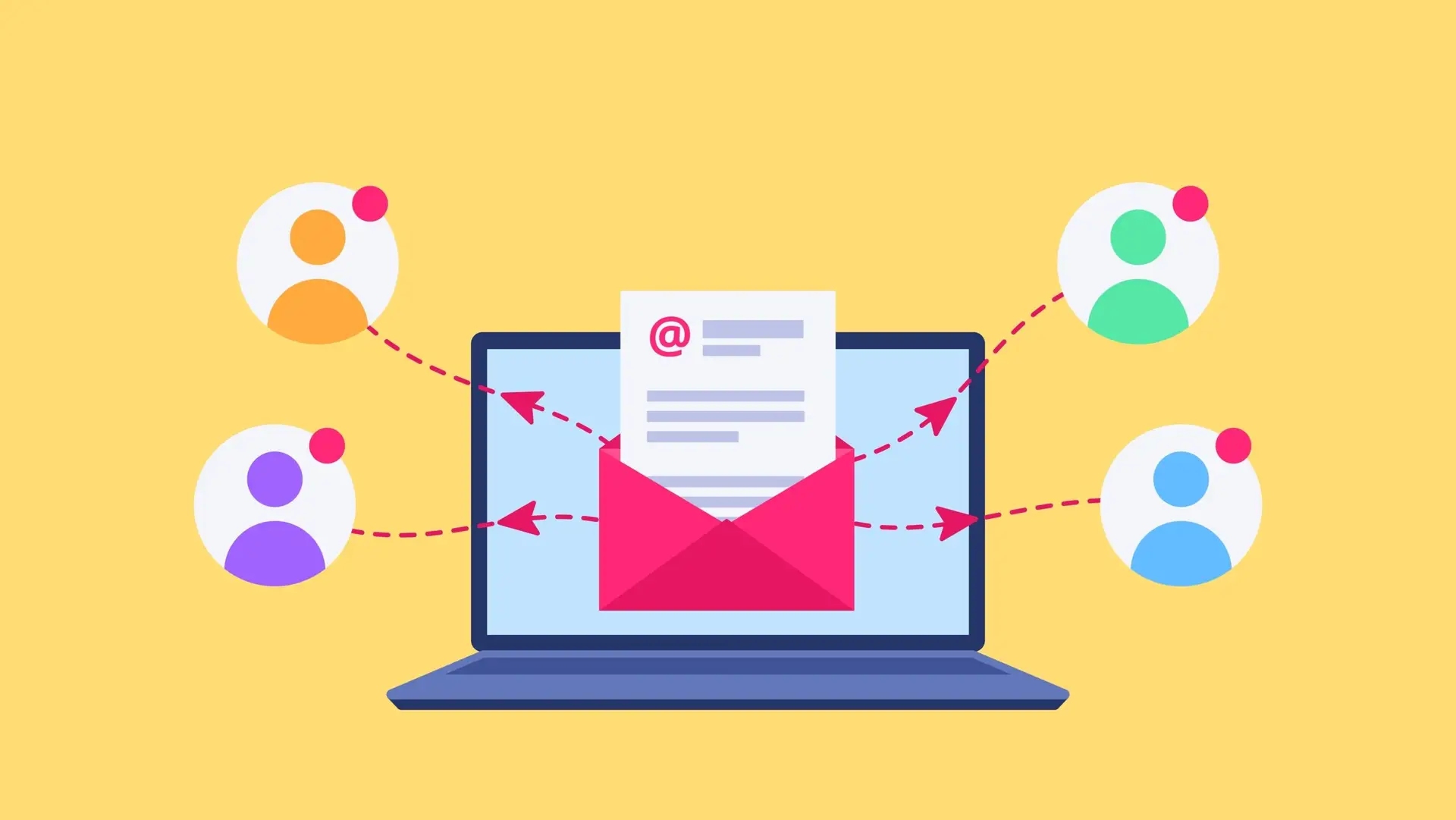
Alumni inboxes are crowded with messages that feel interchangeable: the same appeals, the same event notices, the same generic updates. When every alumnus receives the same content at the same cadence, many will experience your communications as noise rather than value. Over time, that shows up as lower open rates, fewer clicks, and more unsubscribes, even among alumni who still feel positively about the institution.
Alumni Attitude Study findings help explain why alumni differ meaningfully in their attitudes, behaviors, and expectations across at least three dimensions your email program can’t afford to ignore: donor status (current, lapsed, never), degree obtained (undergraduate, graduate, both), and decade of graduation. Treating these groups as a single audience guarantees that large portions of your list will regularly receive messages that miss the mark.
Step One: Define Your Core Segments
Donor status: AAS data typically shows clear differences between current donors, lapsed donors, and alumni who have never given.
Degree obtained: AAS results also show different patterns for alumni with only an undergraduate degree, only a graduate degree, and those with both.
Decade of graduation: AAS breaks responses down by era or decade of graduation, revealing generational differences in attitudes, expectations, and engagement patterns.
Taken together, these three lenses allow you to define segments that reflect meaningful differences in motivation and experience rather than superficial demographics alone.
While distance from campus also shapes how alumni engage, particularly with events and in-person volunteering, it often works best as a secondary filter layered onto these core segments, rather than as the primary organizing principle.
Step Two: Match Message to Segment, Not Inbox
Once the segments are defined, the next move is to adjust what you say and how you say it for each combination of donor status, degree, and decade of graduation. Here’s how that might look in practice:
Donor status
Current donors: Focus their email stream on mission and impact. Share stories that show how philanthropy changes students’ lives, advances research, and supports communities. Include clear stewardship moments, such as thank-you notes, behind-the-scenes updates, and transparent reports on outcomes, to reinforce that their giving is both noticed and meaningful.
Lapsed donors: Combine impact storytelling with gentle reconnection cues. Highlight how the institution has evolved since they last gave, and invite them into low-pressure engagement: a survey, an update call, a mentoring opportunity, or a local event. The tone should be inclusive and appreciative, not corrective.
Never donors: Emphasize personal value first. Lead with career resources, major or program-specific news, alumni profiles that mirror their experiences, and content that helps them solve real problems. When you introduce philanthropy, frame it as a way to extend the benefits they’ve experienced to current students, not as an obligation.
Degree obtained
Undergraduate-only alumni: Use email to connect their undergraduate experience to ongoing outcomes. Think of alumni career spotlights, skills refreshers, micro-credentials, networking opportunities, and stories that show how undergraduates from their major are thriving now. Calls to action can center on mentoring, industry panels, or supporting scholarships for students following similar paths.
Graduate-only alumni: Deepen their relationship with the intellectual and professional community tied to their program. Feature faculty research, thought leadership, practitioner panels, and discipline-specific networks. Invite them to engage as expert volunteers, guest speakers, or advisors as well as donors.
Both undergraduate and graduate alumni: Recognize their multi-layered connection. Integrate stories from both levels, campus traditions, academic milestones, and career trajectories, and position them as ambassadors and leaders. They are strong candidates for board service, campaign councils, and mentoring across generations.
Decade of graduation
1960s–1980s: Anchor communications in legacy and impact. Share stories that connect the institution’s present to the campus they remember, while highlighting how their generation’s contributions have shaped today’s students and facilities. Estate and planned giving content can be woven in thoughtfully, alongside opportunities to mentor or serve on advisory groups.
1990s–2000s: Highlight flexible, time-efficient ways to engage. Short, relevant updates with clear value, such as career insights, alumni networks where their children might apply, or ways to support student success, fit their life stage. Digital events, regional meetups, and family-friendly campus programs work well here.
2010s–2020s: Prioritize authenticity, transparency, and utility. Use concise, mobile-friendly emails featuring career tools, micro-learning, and honest conversations about the evolving value of degrees. Make it easy to give in small, meaningful ways (crowdfunding, cause-specific campaigns) and to participate digitally (virtual panels, LinkedIn groups, online mentoring).
Distance from campus can refine these approaches. For instance, offering more campus-based activities to local alumni and more digital-first options to distant or international alumni, but the core message should still be shaped by donor status, degree, and decade of graduation.
Step Three: Turn Segments into a Smarter Email Calendar
With these segments defined, you can replace a single “monthly alumni blast” with a coordinated calendar tuned to different needs and expectations:
Donor status
Each month, choose a central theme, student success, research innovation, community impact, and express it differently for each donor segment:
-Current donors receive mission-rich stories and clear stewardship.
-Lapsed donors see “here’s what’s changed” narratives plus invitations to re-engage.
-Never donors get career and program-specific content tied to the same theme, framed around how the institution continues to matter in their lives.
Degree obtained
Four times a year, send deeper, degree-specific pieces:
-Undergraduate-only alumni: outcome stories, skills refreshers, and undergraduate-focused initiatives.
-Graduate-only alumni: research highlights, advanced professional development, and program-based networks.
-Dual-degree alumni: leadership opportunities, cross-level impact stories, and strategic volunteer roles.
Decade of graduation
Once or twice a year, run short email series that speak directly to each decade:
-Earlier cohorts: “Looking back, looking forward” series connecting campus then and now, with legacy giving and mentoring pathways.
-Middle cohorts: “Balancing life and impact” series showcasing flexible engagement that fits around work and family.
-Recent cohorts: “Your degree in a changing world” series that tackles career transitions, skill building, and honest questions about value.
Distance from campus comes into play when you promote specific opportunities. For example, a mentoring program might be open to alumni anywhere, while a campus-based advisory council appeals most to those within easy travel distance. Segmenting by location at the send level helps ensure you invite the right alumni to the right participation pathways.
Step Four: Use Alumni Attitude Study Metrics to Monitor and Refine
Because the AAS captures attitudes like overall opinion of the university, satisfaction with student and alumni experience, and self-reported advocacy, it doubles as a measurement framework for your email strategy.
You can:
-Compare affinity indicators across segments that receive tailored content versus those left on generic communications.
-Track how email performance (opens, clicks, replies) shifts when you introduce donor-status and degree-based messaging.
-Look at whether certain decades of graduation respond differently to specific content streams and adjust future series accordingly.
-In future AAS projects, include questions about communication satisfaction to see whether segments that received more relevant, segmented email report higher perceived effectiveness.
The objective isn’t to increase email volume, but to align content, cadence, and tone with what different alumni groups actually value. When institutions make that shift, “blasts” give way to conversations, and the inbox becomes a place where alumni recognize themselves and the institution they care about.
For more content about alumni engagement data trends, check out our blog Alumni Insights.